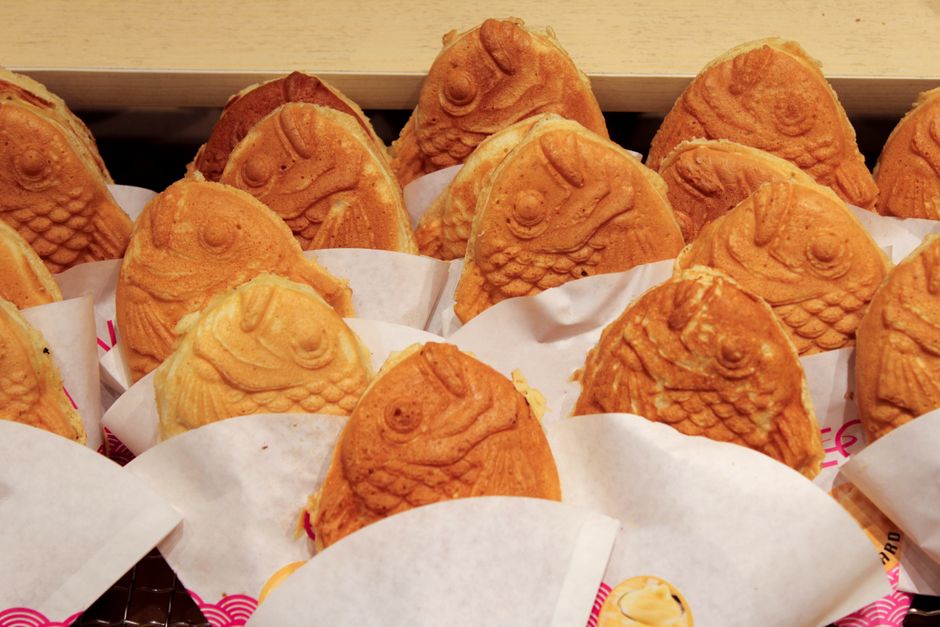
Bungeoppang: Warm Hugs for Winter Blues 🍜👍
POV: I'm sitting on a chilly winter evening, sipping on a hot cup of yaupon tea (ya-woon, 야운) and craving something to warm my belly. My BFF, Soo-jin, suggests we go get some bungeoppang (bun-goh-pahng, 붕어빵) from the street food stall near our school. I'm lowkey hesitant at first, but as soon as I take a bite, I'm like, "omg, this is literally the best thing ever!" 🤩
So, what's the big deal about bungeoppang, you ask? Well, bestie, it's more than just a tasty snack. In Korea, bungeoppang is a symbol of winter solace, representing the warmth and comfort we need during the cold months. The soft, fluffy dough filled with sweet red bean paste is like a warm hug for our souls. It's the perfect treat to cozy up with on a chilly day, whether you're studying for exams or just need a break from the winter blues.
But, did you know that bungeoppang has a special history in Korea? According to legend, bungeoppang was invented by a Korean chef who wanted to create a dessert that would remind people of the warmth and love of their mothers. He filled the dough with sweet red bean paste, symbolizing the love and care of a mother's cooking. Now, whenever I eat bungeoppang, I feel like I'm getting a taste of that love and warmth. 🥰
So, if you ever find yourself in Seoul during the winter months, make sure to try some bungeoppang from a street food stall. It's a must-try Korean winter treat that will leave you feeling all warm and fuzzy inside. And, if you're feeling adventurous, try making some bungeoppang at home using a baedal (bae-dal, 배달) service or a Korean recipe book. Trust me, it hits different when you make it yourself! 🍲
✨ Fun Fact:
- Bungeoppang is also known as "fish-shaped pastry" due to its fish-like shape.
- In Korea, bungeoppang is often served as a snack or dessert during special occasions like weddings and holidays.
💡 Pro Tip:
When eating bungeoppang, try dipping it in a little bit of patbingsu (pah-t-beeng-soo, 파티빙수) syrup for an extra layer of flavor. It's a game-changer, I swear! 😋