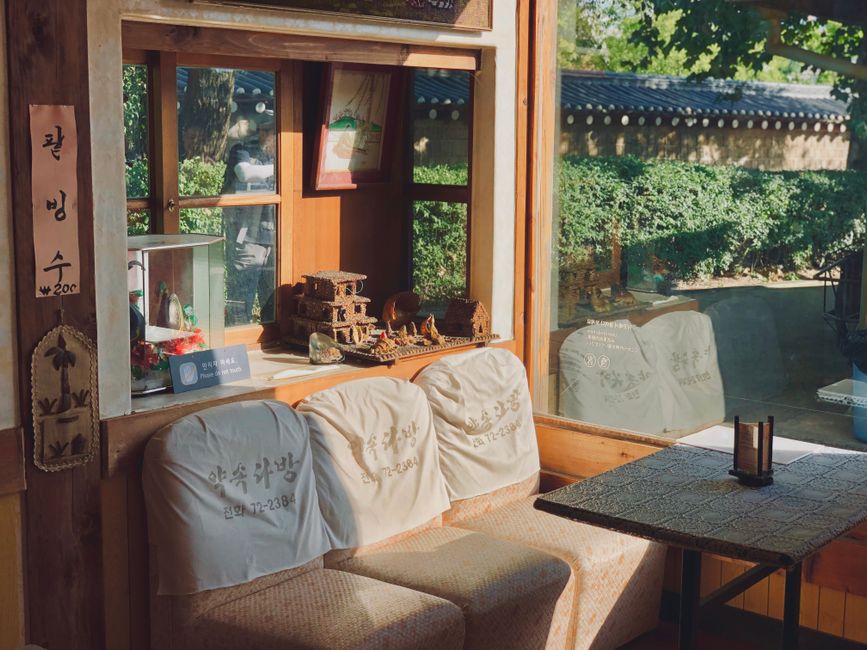
🍵 Ssukgwa Revival: Where Art Meets Baedal Tea
POV: I was at a friend's art studio in Hongdae, Seoul 🎨, and we stumbled upon this adorable tea house that served the most Instagrammable ssukgwa (no cap, it was literally a work of art 🤩). The owner, a talented artist herself, told us that she was inspired by the traditional Korean tea culture and decided to revive it with a modern twist.
Fast forward to today, and I'm excited to share with you the ssukgwa revival that's taking Korea by storm! 🌟 From trendy tea houses in Gangnam to quaint cafes in Jeonju, modern artisanal tea houses are popping up left and right, offering a unique blend of art, culture, and delicious tea ☕️. Whether you're a tea connoisseur or just looking for a chill spot to hang out with friends, these tea houses are a must-visit.
👀 The Rise of Modern Artisanal Tea Houses
So, what's behind this ssukgwa revival? 🤔 For one, there's a growing interest in traditional Korean culture and the desire to experience it in a modern way. These tea houses are not just about serving tea; they're about creating an immersive experience that combines art, music, and food 🎶. Plus, with the rise of social media, people are looking for unique and Instagrammable spots to share with their followers 📸.
Here are some of the key features that set modern artisanal tea houses apart:
- 🎨 Unique art installations and exhibitions
- 🍵 Signature tea blends and traditional Korean tea varieties
- 🍴 Delicious food pairings, from traditional Korean snacks to modern fusion dishes
- 🎶 Live music and performances, from jazz to K-pop
“The tea house is not just a place to drink tea; it's a space for connection and community.” – Owner of a modern artisanal tea house in Seoul✨ Fun Fact: Did you know that Korea has a long history of tea culture, dating back to the Goryeo Dynasty (918-1392 CE)? 💡 Pro Tip: When visiting a modern artisanal tea house, be sure to try their signature tea blend and pair it with a traditional Korean snack, like hotteok or bungeo-ppang!